


My Talking Animal 2
Finger Rhythm
I approached My Talking Animal 2 as a light music game with a simple promise: give me a cheerful animal-themed experience that I can open without a long learning curve. The store summary presents it as a game about building a zoo, collecting cute animals, and growing an idle tycoon, while the short description keeps things even simpler: “My Talking Animal 2.” That combination suggests a casual game aimed at quick visits rather than deep strategy sessions.
My first impression is that its appeal depends less on complex mechanics and more on the pleasure of gradual progress. You are meant to enjoy seeing a small animal collection become a more developed zoo over time. That makes it a natural fit for people who like relaxed management games, especially when they want something friendlier and less demanding than a competitive music title or a detailed simulation.
The game is free and suitable for Everyone, so it is easy to consider for family use or for a younger player who enjoys animals. It comes from Finger Rhythm, a developer name that also hints at the game’s placement in the music section. Even so, I would approach it primarily as a cute idle zoo-building game with a musical identity, not as a serious rhythm-training application.
Getting past the first points of friction
Where a casual game can still feel confusing
The biggest challenge with a game like this is not usually understanding the broad goal. “Build a zoo and collect animals” is clear enough. The friction tends to come from knowing what deserves attention first. A new player may see several progress elements, animal choices, or upgrade prompts and wonder whether to expand immediately, save resources, or simply let the game run.
My advice is to resist tapping through everything as quickly as possible. Spend the opening session learning which action directly improves the zoo and which action is mainly decorative or informational. In an idle tycoon game, early choices can shape how quickly the next meaningful milestone arrives, even when the overall experience remains forgiving.
Related News






Another possible sticking point is the word “idle.” Players who expect constant interaction may initially think the game is too slow, while players who expect a fully hands-off experience may be surprised that occasional attention is still useful. The most comfortable way to play is to treat it as a short check-in game: open it, review what has changed, make one or two sensible decisions, and leave rather than forcing a long session.
What I would check before blaming the game
Because this is a mobile title, I would begin with ordinary setup checks before assuming that a pause, loading problem, or missing progress is caused by the game itself. The listed minimum operating-system requirement is Android 7.1, so a device running an older system may be the first thing to rule out. On a compatible phone, I would also make sure the system has enough free storage and that the game has been installed from a reliable source.
I would then close other demanding apps and restart the game once. This is not a glamorous solution, but it often separates a temporary phone problem from a repeatable game problem. If the device is very old or already struggling with many apps, smoothness may be limited even when the operating system meets the minimum requirement.
Gallery
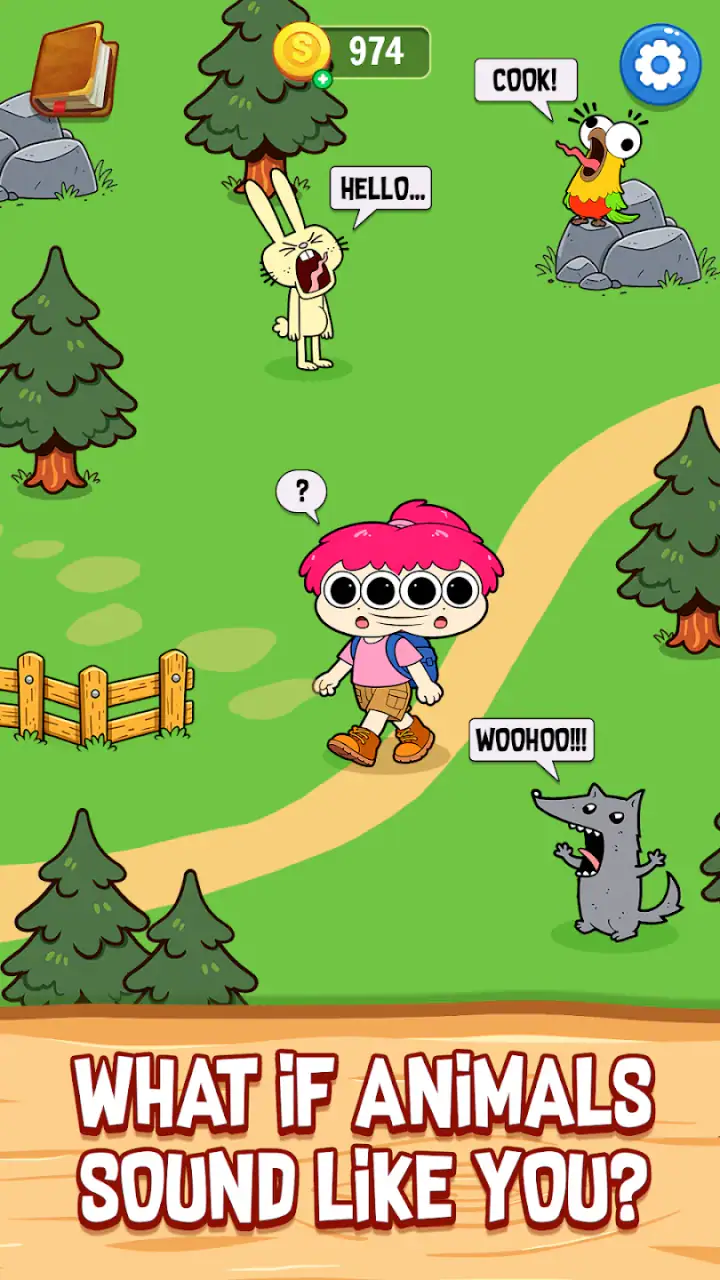
One useful habit is to avoid switching rapidly between the game and several other apps during the first session. Let the opening process finish, watch whether the zoo settles into its normal state, and only then begin experimenting. This gives you a clearer baseline and makes it easier to identify whether a later issue is connected with multitasking, connectivity, or the game’s own flow.
A calmer first-session routine
I would play the opening session in three small stages. First, learn the basic loop without spending time trying to optimize every decision. Second, observe what changes while you are away from the screen. Third, return and compare the result with what you expected. That simple routine helps reveal whether the idle element is working in the way you prefer.
If the game presents several animals or development choices, I would choose the option that makes the next step easier to understand rather than chasing the most attractive-looking choice. Cute presentation can make every option feel equally urgent, but a clear progression path is more valuable during the first few minutes. Once you know how the zoo grows, you can make more personal choices.
I would also avoid repeatedly pressing a control because nothing happened instantly. Mobile games sometimes need a moment to process a transition, especially after returning from another app. Repeated taps can make the interface feel more confusing and may cause you to trigger something twice. A short pause followed by a single deliberate tap is a surprisingly useful habit here.
Recovering a stalled or interrupted routine
If progress appears to stop, I would first leave the current screen and return to it rather than immediately reinstalling the game. Then I would fully close the app, reopen it, and check whether the zoo reflects the latest state. This sequence is safer than making major changes at once because it preserves a clear record of what happened and avoids turning a temporary display issue into a more complicated recovery problem.
When an idle game seems not to have advanced, it is also worth checking whether the phone has been put into an unusually restrictive battery or background mode. Battery-saving settings can affect how apps behave when they are not on screen, although the exact result depends on the device. I would test the game normally before changing system settings, and I would change only one setting at a time so I could tell whether it helped.
For the same reason, I would not uninstall the game as a first response. Reinstallation can remove local progress or force you to repeat the opening sequence, depending on how the game stores its state. A better recovery order is restart, reopen, check the device, and only then consider more drastic steps. This is especially important in a collection-focused game, where losing a little accumulated progress can be more frustrating than a brief loading delay.
When the problem may be outside the app
Not every interruption comes from the game. A weak connection, a nearly full phone, a system update waiting in the background, or aggressive battery management can all create symptoms that look like a software fault. If other apps are also slow or failing to load, I would investigate the phone or network before judging this particular title.
The same applies to sound. Since the game sits in the music category, a player may reasonably expect audio to be part of the experience. If sound is missing, I would check the phone’s media volume, silent settings, connected headphones, and Bluetooth output before assuming the game is broken. A quick test with another media app can show whether the issue is general or specific to this title.
Notifications and background behavior can also be misleading. If you expect a reminder or a visible change while the game is closed, first check the phone’s app-notification and battery controls. The absence of an alert does not automatically mean that the zoo has failed to progress. I prefer to reopen the game and inspect the actual in-game state rather than relying on a notification as proof of what happened.
How I would organize everyday play
This game makes the most sense in small gaps: while waiting for an appointment, taking a short break, or relaxing before bed. I would open it with one concrete intention, such as checking the zoo, collecting what is ready, or deciding what to develop next. That prevents the session from becoming aimless tapping and keeps the idle structure working in its favor.
A realistic routine might be a quick morning visit, a short check during a lunch break, and another look in the evening. I would not treat those visits as obligations. The value is that the game can fill a few minutes with gentle progress, not that it should compete with work, study, or family time.
For a younger player, I would explain the difference between progress and decoration before handing over the phone. That small explanation can prevent disappointment when an attractive element does not immediately improve the zoo. I would also encourage taking breaks instead of leaving the game open constantly, especially if the device becomes warm or the battery drains faster than usual.
How it compares with familiar alternatives
Compared with a traditional rhythm game, this is a better choice for someone who wants collecting and gradual development rather than timing-based challenge. A rhythm-focused alternative usually rewards precision, repeated practice, and active attention. My Talking Animal 2 appears better suited to relaxed decision-making and short returns throughout the day.
Compared with a deep zoo-management simulation, it should appeal to players who do not want complicated staffing, finances, habitat planning, or long menus. The trade-off is that a lighter idle structure may feel limited to someone who wants every animal and enclosure to create a detailed strategic puzzle. If you enjoy optimizing a large system, a more serious management game would probably hold your attention longer.
It also differs from a purely decorative virtual-pet app. The zoo-building angle gives the player a broader sense of collection and growth, while the animal theme keeps the tone gentle. However, anyone seeking a highly interactive pet with rich conversation or detailed care routines should keep expectations realistic. The store wording points toward a zoo tycoon experience, not a substitute for a full virtual companion.
Who should try it, and who should skip it
I think it is a good match for players who enjoy cute animals, incremental progress, and games that do not demand constant concentration. It is especially suitable for someone who likes opening a game several times a day to see what has changed. The Everyone age rating also makes it approachable for a broad audience, although younger children may still benefit from guidance around device time and any in-game choices.
I would skip it if your main reason for choosing a music game is to improve rhythm, compete for high scores, or master difficult patterns. I would also look elsewhere if you want a detailed simulation in which every decision has a complex long-term consequence. This game’s strength is its lightness; that same lightness can become a weakness when you are searching for depth.
What the current version tells me
The current version is 1.0.4, and the game was released on April 23, 2026. I mention that because early versions deserve a little patience: the overall structure may feel less mature than a long-established title, and small rough edges are more noticeable when a game is still building its identity.
Its average rating is 3.5 from around eighty ratings, with a small number of written reviews. I read that as a reason to keep expectations measured rather than as an automatic warning. The game has reached over one hundred thousand installs, which suggests that the concept has found an audience, but popularity alone does not guarantee that its pace will suit everyone.
For me, the important question is whether the basic loop feels pleasant enough to revisit. A rating cannot answer that as well as a short personal test. If you enjoy the first cycle of collecting, checking progress, and improving the zoo, the game has a fair chance of becoming a comfortable casual habit. If that loop already feels repetitive, extra animals are unlikely to change your opinion completely.
My practical verdict
I see My Talking Animal 2 as a gentle, accessible idle zoo game with a music-category label and a clear appeal for animal lovers. Finger Rhythm has positioned it around collection and gradual growth rather than demanding action. Its free price removes the biggest barrier to trying it, and the Everyone rating makes it broadly approachable.
The best way to use it is not to rush. Check the device first, give the opening sequence time to settle, learn which actions genuinely move the zoo forward, and return in short sessions. If progress seems stuck, restart methodically before reinstalling, and check ordinary phone or connection issues before treating the game as the cause.
The main trade-off is simple: you get an easygoing zoo-building routine instead of deep management or serious rhythm practice. That makes it a pleasant pick for small breaks and relaxed collection, but a poor fit for players who need constant challenge. I would recommend giving it a fair trial if cute animals and idle progress sound appealing, while keeping expectations focused on a light daily game rather than a feature-heavy simulation.
FAQs for My Talking Animal 2
What is My Talking Animal 2?
My Talking Animal 2 is a virtual pet game in which you interact with a friendly animated animal, care for its daily needs, and enjoy a variety of playful activities. You can talk to the character, listen to its responses, customize its appearance, and build a routine around feeding, entertaining, and looking after your digital companion.
How do you play My Talking Animal 2?
The game is designed for simple, casual play. After choosing or meeting your animal companion, you can tap different areas of the screen to trigger reactions, use available care options, play mini-games, and explore customization features. Progress generally comes from spending time with the pet and completing everyday interactions rather than following a complicated story or difficult mission system.
Is My Talking Animal 2 free to download and play?
My Talking Animal 2 can generally be downloaded without an upfront purchase, but the exact availability of advertisements, optional purchases, or premium items may depend on the version and device platform. Some customization content or gameplay benefits may require payment. Before downloading, it is worth checking the store listing for current pricing, in-app purchase details, and any applicable restrictions.
Does My Talking Animal 2 require an internet connection?
Many basic virtual-pet interactions may work without a constant internet connection, allowing you to care for the animal or play selected activities offline. However, advertisements, store content, updates, analytics, and certain online features may need access to the internet. Requirements can vary between Android and iOS versions, so checking the app listing and testing offline mode is recommended.
Is My Talking Animal 2 suitable for children?
My Talking Animal 2 uses colorful characters, simple controls, and lighthearted interactions that can appeal to younger players. Nevertheless, parents should review the app’s age rating, advertising behavior, voice or microphone permissions, and in-app purchase settings before allowing independent use. Enabling parental controls and restricting purchases is advisable, especially if the device is shared with children.
Pros
- Fun virtual pet interactions suitable for younger players.
- Simple controls make the game easy to learn quickly.
- Cute animations give the animal a lively
- entertaining personality.
- Short activities work well for quick play sessions.
- Bright visuals are appealing on most mobile screens.
Cons
- Frequent ads may interrupt gameplay
- especially in the free version.
- Some items and activities require in-app purchases to unlock.
- Gameplay can become repetitive after extended sessions.
- The app may need considerable storage for updates and extra content.
- A stable internet connection may be required for some features.


